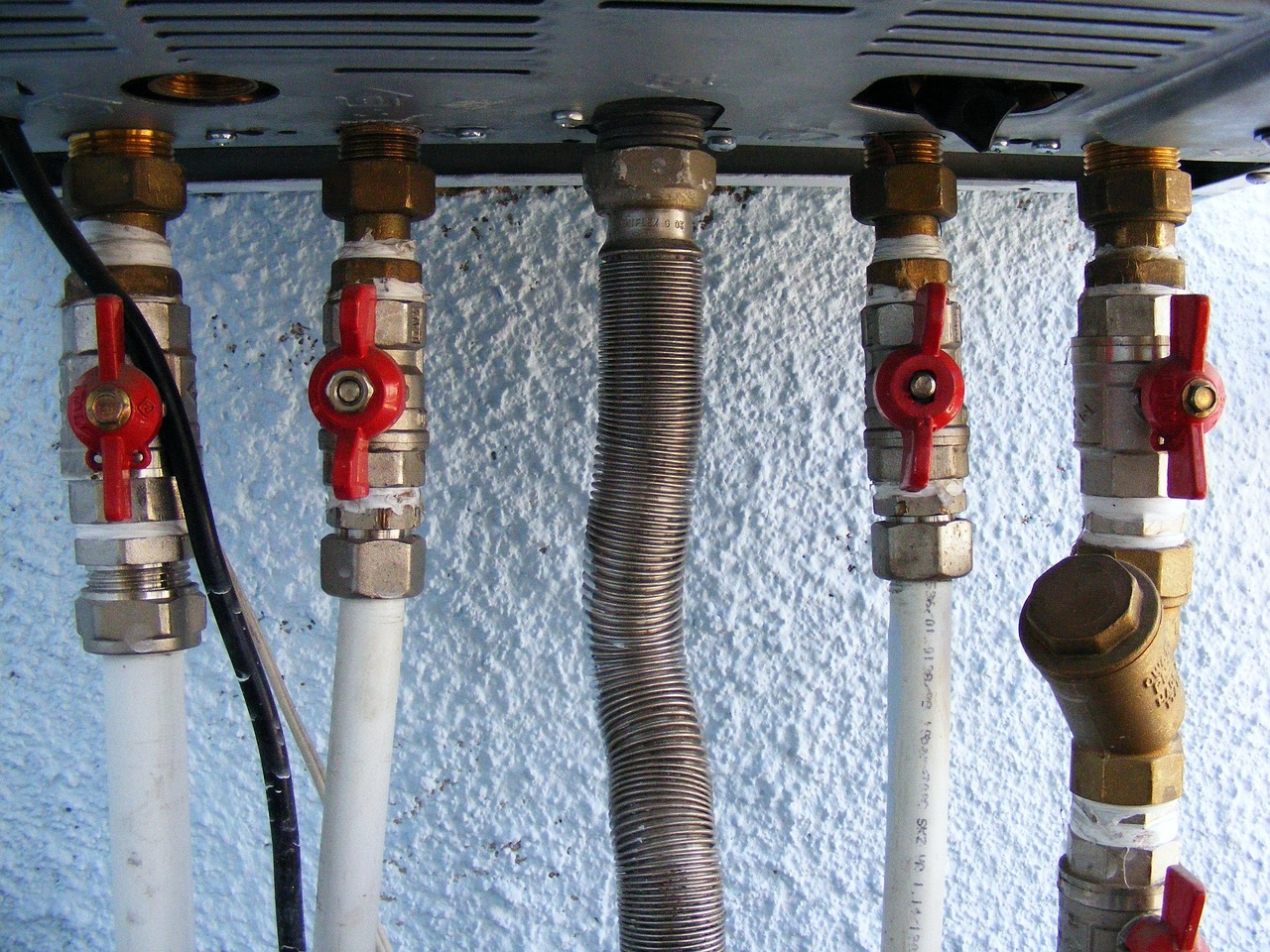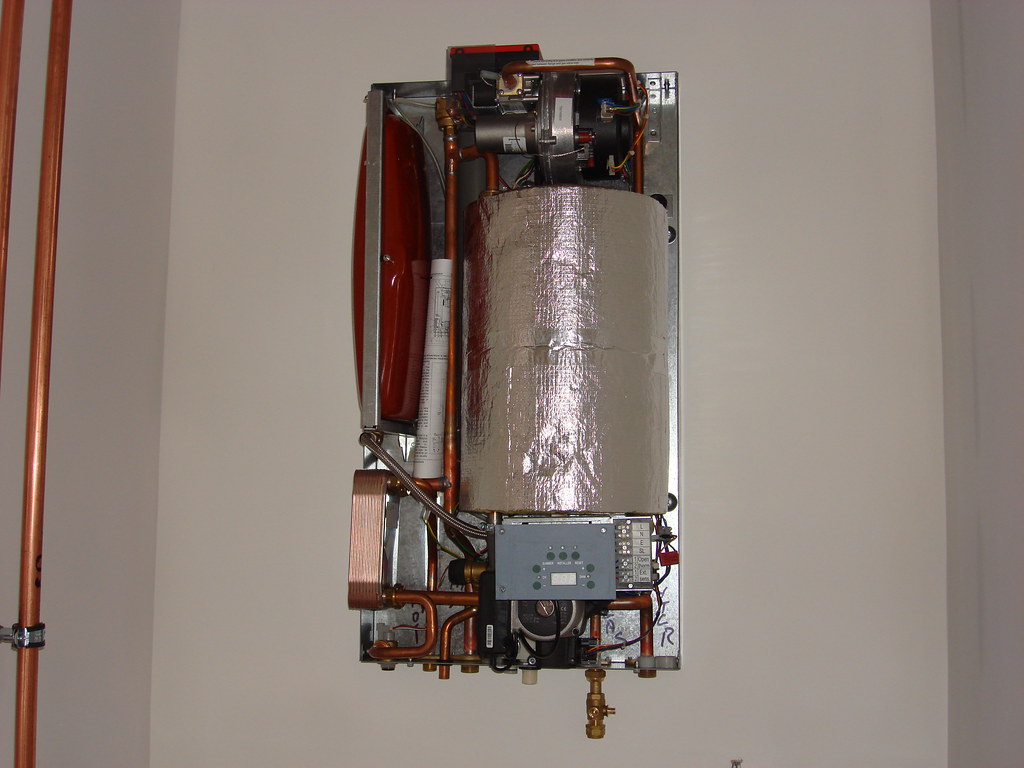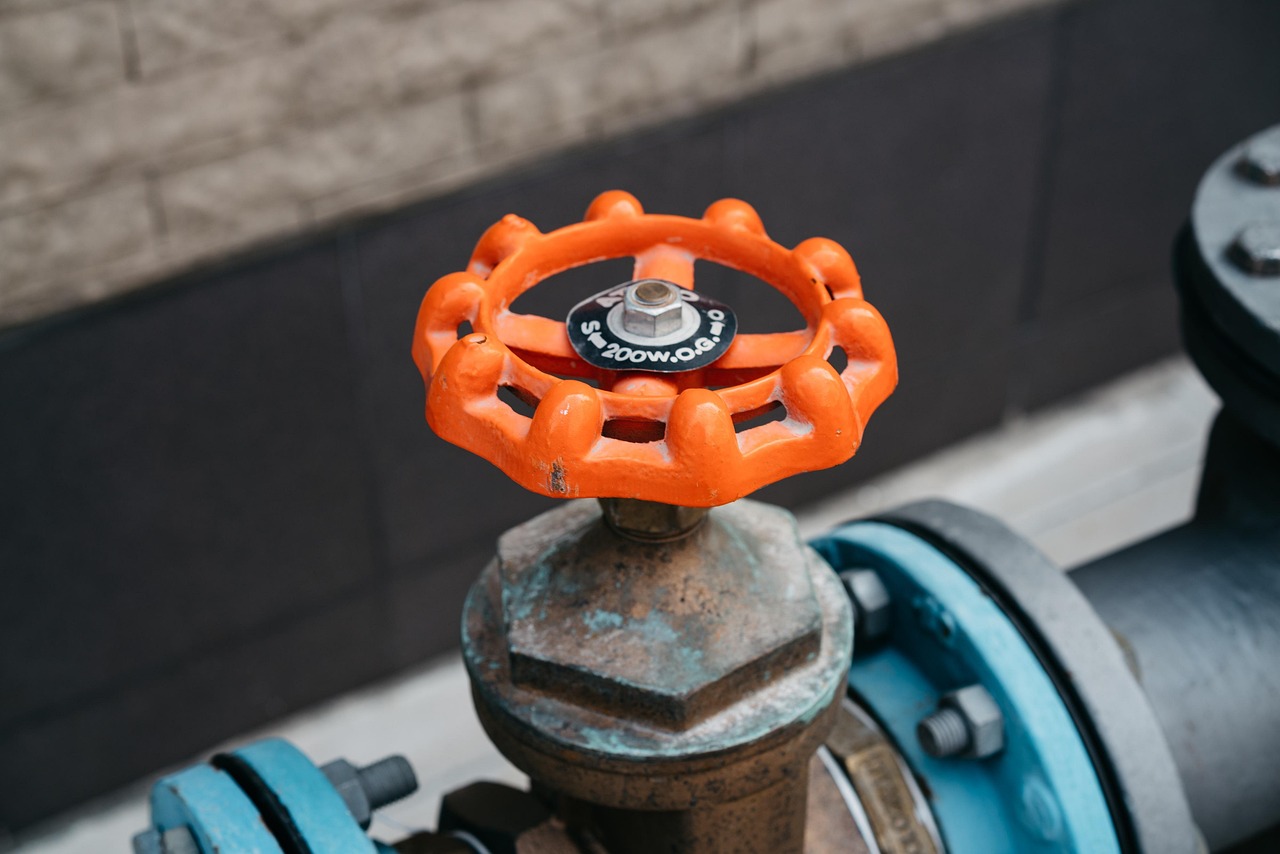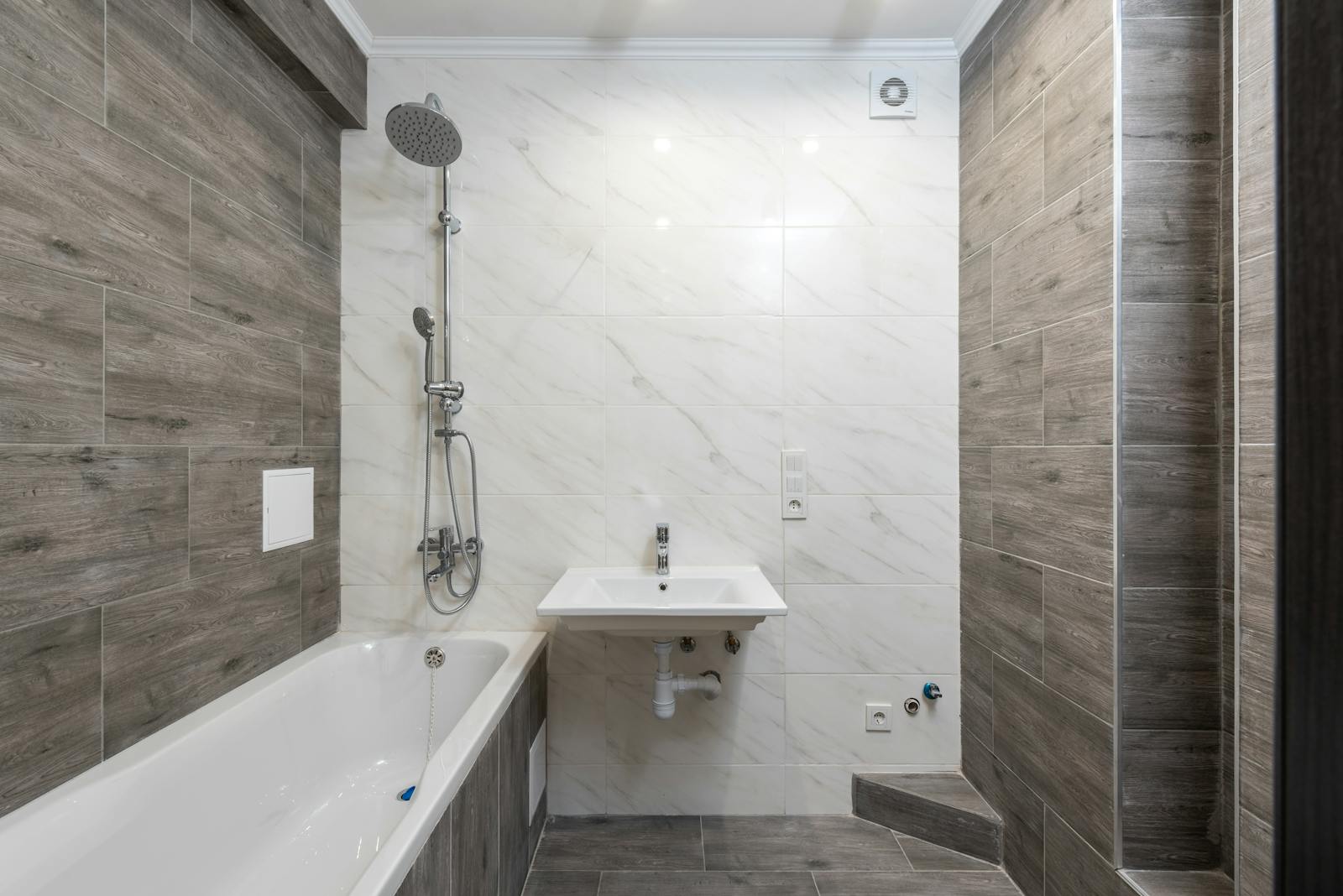

To find a suitable plumber in London, first identify whether the problem involves plumbing, drainage, heating or regulated gas work. Check that the business provides the relevant service, verify any regulated credential independently, describe the fault clearly and ask how scope, availability and charges will be confirmed. For an active leak or another immediate risk, prioritise safe action and urgent contact over comparing several providers.
Start with the problem, not a generic search
- Plumbing or drainage symptoms: Explain whether water is leaking, a toilet is overflowing, an outlet is blocked or several fixtures are affected. This helps distinguish general plumbing services from drainage help and prevents the enquiry being sent to the wrong service.
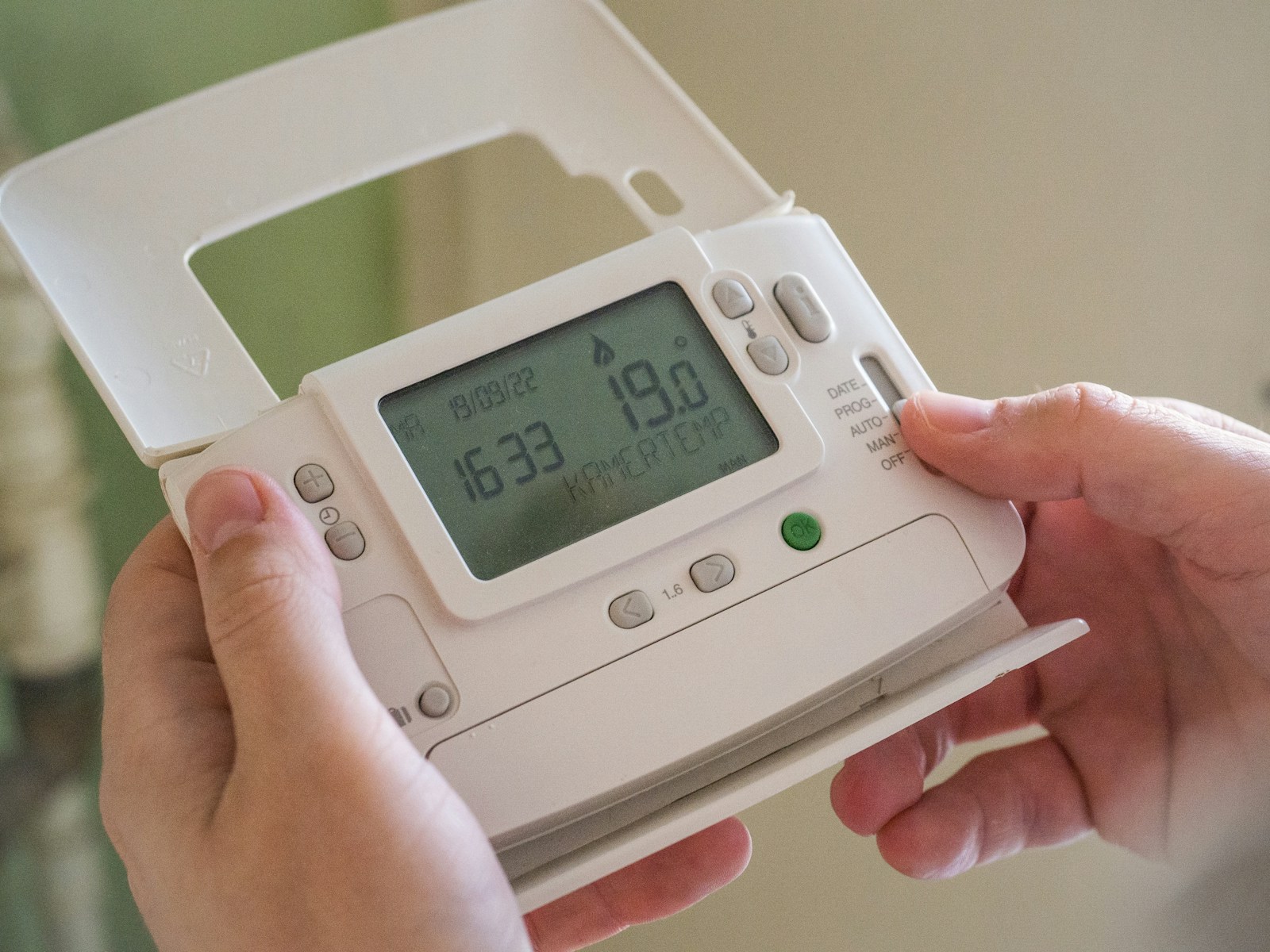
- Heating or gas-related symptoms: Say whether heating, hot water or both have failed and note any display code without opening an appliance cover. If you smell gas or suspect a leak, leave the property, avoid electrical switches and call the National Gas Emergency Service on 0800 111 999 before arranging other work.
Verify evidence independently
- Check the business details: Confirm the trading name, website, telephone number and the areas actually served. A page targeting a London district does not prove that the company has an office there, so look for clear service-area wording rather than a collection of implied local branches.
- Check regulated gas credentials: Gas work must be matched to a currently registered engineer and the categories of work shown on that engineer’s record. Use the official Gas Safe Register and check the engineer’s identification before regulated work begins; do not rely only on a badge displayed on a website.
Ask for a clear written scope
- Describe what is included: Ask how diagnosis, labour, parts, VAT and any follow-on work will be handled. A useful written scope should identify the problem being assessed and explain which circumstances could change the agreed work or amount.
- Distinguish a quote from an estimate: A quote and an estimate are not the same. Ask which one you are receiving, how long it remains valid and whether additional work needs your agreement before it proceeds. Keep the written record so both sides can refer to the same scope.
How to find an emergency plumber
- Deal with the immediate risk first: For escaping water, isolate the affected fitting or main internal stop tap only when it is safe and you know which valve to use. Stop using overflowing fixtures, move possessions away from water and keep clear of wet electrical fittings. Then use the emergency plumber page to explain the problem.
- Ask about current availability: Give the postcode, access details, affected system and immediate risk. Ask for the current position rather than relying on a generic response-time promise. A website statement does not guarantee that a particular arrival time is available for your fault.
Use reviews and communication as evidence, not guarantees
- Read the detail behind reviews: Look for reviews that describe the type of problem, communication and completed work. Treat star scores and generic praise as one signal rather than proof that the same outcome, price or timing applies to your property.
- Watch for unclear commitments: Be cautious when the work cannot be described in writing, important questions are avoided, regulated credentials cannot be checked or you are pressured to agree before the scope is understood. Clear limitations are more useful than broad claims such as best, cheapest or immediate.
A reliable choice starts with the correct service, verifiable evidence and a shared understanding of the work. For a routine plumbing enquiry, review the services below and provide the property postcode, affected fitting, visible symptoms and when the problem began. For an urgent water fault, call and state the immediate risk first.